
The dawn of a new year, particularly January, often ushers in a powerful wave of introspection and a collective desire for change. Many people find themselves drawn to new routines, seeking healthier lifestyles, and embracing resolutions. For countless individuals, the gentle yet profound practice of yoga becomes an appealing path toward achieving these aspirations. However, the initial enthusiasm can quickly morph into overwhelm when faced with the sheer volume of information, styles, and expectations surrounding yoga. The journey to start yoga can seem incredibly daunting at first glance.
If you have ever felt intimidated by contortionist poses on social media, confused by exotic-sounding class names, or simply unsure where to begin your own yoga journey, you are certainly not alone. Fortunately, resources abound to demystify the process and make starting a sustainable yoga practice both realistic and enjoyable. The insights shared in the video above, featuring yoga teachers Kassandra and Brett, offer incredibly valuable guidance for anyone embarking on this path.
Navigating the Digital Yoga Landscape: Your First Step
In our modern era, the internet serves as an unparalleled resource, especially for those new to yoga. Kassandra rightly highlights that exploring online options should be your very first step into the world of yoga. This approach allows individuals to experiment with various practices from the comfort and privacy of their own homes. You do not need to commit to expensive studio memberships or navigate potentially intimidating group settings right away.
Online platforms offer an extraordinary diversity of classes, ranging from brief sequences to longer, more in-depth sessions. Many reputable yoga teachers and studios provide free content on platforms like YouTube, making it accessible to everyone. This means you can easily type “yoga for beginners” into a search engine and immediately encounter a wealth of instructional videos. Utilizing these free online resources helps you determine if yoga resonates with you before making any financial investment. The ability to pause, rewind, and re-watch instructions also proves invaluable for understanding new poses and alignment cues at your own pace.
Essential Gear for Your Yoga Journey (Hint: You Already Own It)
The yoga industry presents a vast array of equipment, from specialized mats and blocks to straps, bolsters, and even wheels. This can quickly become overwhelming and expensive for a beginner who is just dipping their toes into the practice. Kassandra and Brett both emphasize a wonderfully practical approach: start by using what you already have. There is simply no need to rush out and purchase an entire wardrobe of “yoga clothes” or a collection of fancy props.
When selecting attire, choose something loose, comfortable, and easy to move in; your pajamas work perfectly for home practice, as Brett humorously points out. For a yoga mat, beginning with an inexpensive option is perfectly acceptable. Kassandra fondly recalls using a five-dollar mat for three years, while Brett started with a twelve-dollar version, both serving them well. These personal anecdotes underscore the fact that premium gear is entirely unnecessary for a fulfilling initial experience.
Creative Alternatives for Yoga Props
Beyond clothing and a basic mat, many household items can effectively substitute for traditional yoga props. These creative alternatives allow you to enhance your practice without additional cost:
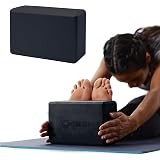
- Yoga Blocks: A sturdy stack of books, such as a dictionary or encyclopedias, provides excellent stability and height. You can also use firm cushions or a small, stable stool.
- Yoga Strap: A bathrobe tie, a sturdy belt, or even a long scarf can function perfectly as a strap, helping you deepen stretches and access poses more easily.
- Bolster: Pile several pillows and cushions together, wrap them in a blanket for firmness, and you have a comfortable bolster for restorative poses and support.
Delay purchasing specialized equipment until you have explored different styles and understand what specific props genuinely benefit your individual practice. This mindful approach saves money and prevents unnecessary clutter.
Discovering Your Flow: The Power of Yoga Style Variety
The world of yoga boasts an extensive, sometimes bewildering, assortment of styles. Kundalini, Power, Hatha, Vinyasa, Yin, Restorative, Prenatal – the list continues to expand. For a seasoned yogi, this variety is exciting, offering diverse practices to explore. However, for a beginner, it can feel like navigating an unfamiliar labyrinth, potentially leading to disengagement if their first experience is not a positive one.
Kassandra’s advice on embracing variety is crucial for new practitioners. She challenges beginners to try at least five different styles to get a comprehensive overview of what yoga offers. Her recommended starting points include Hatha, Vinyasa Flow, Yin, Restorative, and Power yoga. Each style presents a unique focus and intensity:
- Restorative or Yin Yoga: These gentle styles emphasize longer holds, passive stretching, and deep relaxation, perfect for increasing flexibility and finding calm.
- Vinyasa Flow and Power Yoga: Ideal for building strength, endurance, and cardiovascular health through dynamic, flowing sequences synchronized with breath.
- Hatha Yoga: A balanced practice that typically involves holding poses for several breaths, focusing on alignment and foundational postures, offering a well-rounded introduction.
The common pitfall is trying just one style or teacher, disliking the experience, and then concluding that yoga is simply “not for them.” This overlooks the vast spectrum of practices available. Remember, if a class or teacher does not resonate, try another; there truly is a style and approach for everyone. Finding a teacher whose cues and personality align with your learning style can significantly enhance your experience.
Beyond the Instagram Pose: Simple Beginnings in Yoga
In our hyper-visual age, social media often paints an unrealistic picture of yoga, showcasing advanced practitioners in seemingly impossible arm balances and intricate inversions. This can be incredibly discouraging for beginners, leading them to believe that yoga is exclusively for the flexible, strong, or acrobatic. This perception is a significant barrier to entry, as many aspiring yogis prematurely conclude they “cannot do yoga.”
It is vital to recognize that the core of yoga extends far beyond complex physical postures. A genuine yoga practice encompasses meditation, breathing exercises (pranayama), and simple, accessible movements. The emphasis shifts from outward appearance to internal sensation. Kassandra wisely advises beginners to keep their practice simple and avoid comparing themselves to others. Being a beginner is a beautiful and advantageous position; it offers immense potential for growth and discovery. Focus on how a pose feels in your body, rather than how it looks to others or how perfectly you emulate an image. Remember, the journey is personal, centered on your well-being, presence, and breath.
Attend beginner-level yoga classes whenever possible. These sessions are specifically designed to introduce foundational poses, proper alignment, and the principles of breathwork in a supportive environment. The true essence of yoga lies in cultivating mindfulness, self-awareness, and a deeper connection to your body, not in executing a perfect handstand.
Stepping into the Studio: Embracing Community and Guidance
After exploring online resources and building some confidence at home, taking an in-studio class represents a significant and rewarding step. The thought of entering a studio can feel intimidating, particularly if you envision a room full of highly advanced practitioners. However, the benefits of in-person instruction and community are immense. Studios offer a unique energy, direct teacher feedback, and a sense of shared purpose that online classes cannot fully replicate.
To ease into this transition, consider Kassandra’s excellent advice: bring a buddy. Attending your first studio class with a friend can significantly reduce anxiety and make the experience more enjoyable. Moreover, communicating with your teacher proves incredibly beneficial. Brett suggests introducing yourself as a newcomer and indicating if you are open to hands-on adjustments. Teachers are often eager to share their knowledge and passion for yoga, and knowing you are receptive allows them to provide more personalized guidance, correcting alignment and deepening your understanding of poses.
The studio environment also offers a different dimension of learning. While online cues are meticulously detailed, in-person classes often blend visual demonstration with tactile adjustments and a focus on intrinsic feeling. This transition might initially feel disorienting, as you shift from watching a screen to listening to cues and observing others, potentially triggering comparisons. Kassandra reminds us to gently redirect our focus inward during these moments. Use others as guidance, but ultimately, let your practice be about your own positive and healthy journey for personal well-being. This is your space for growth, not a stage for comparison.
Embracing a yoga practice offers profound benefits for both body and mind. By utilizing readily available online resources, creatively adapting household items for gear, exploring diverse yoga styles, prioritizing personal feeling over outward appearance, and eventually engaging with a supportive studio community, you can confidently embark on this transformative journey. Kassandra and Brett provide excellent foundational insights in their video above, and their channels offer abundant resources tailored for “yoga for beginners” to continue your exploration.
Posing Your Yoga Questions: Q&A for Beginners
Where should a beginner start their yoga journey?
The best first step is to explore online yoga options, such as free videos on YouTube. This allows you to try different practices from home without needing an expensive studio membership.
What essential gear do I need to start practicing yoga?
You don’t need much to start! Wear comfortable, loose clothing, and an inexpensive yoga mat will suffice. Household items like books or a belt can also be used as substitutes for props.
How can I find the right style of yoga for me?
It’s recommended to try at least five different yoga styles, such as Hatha, Vinyasa, Yin, or Restorative. This helps you discover what type of practice you enjoy most and what suits your body.
Do I need to be flexible or strong to begin yoga?
No, you don’t need to be flexible or strong to start yoga. Focus on simple, accessible movements and how they feel in your body, rather than trying to achieve advanced poses seen on social media.