
Are you feeling stiff, struggling with persistent aches, or simply seeking a gentle yet effective way to improve your overall well-being? Many individuals find themselves looking for accessible fitness routines that can be practiced at home, often feeling intimidated by complex workouts or advanced yoga poses. However, embarking on a journey of good health doesn’t have to be daunting. The accompanying video offers a fantastic starting point, introducing seven foundational yoga poses specifically designed for beginners and suitable for all age groups, right from the comfort of your home.
This guide expands on the essential techniques and profound benefits of these basic yoga asanas, providing a deeper understanding to complement your follow-along practice. Embracing these beginner yoga poses can unlock improved flexibility, increased strength, enhanced balance, and a greater sense of calm, laying a solid foundation for your long-term health. Before you begin, remember the wisdom of an open mind and a light stomach – these simple preparations are crucial for a fruitful and enjoyable practice. Let’s delve into how these specific postures can transform your body and mind.
Establishing Your Foundation with Sukhasana (Easy Pose) and Breathwork
Every journey begins with a single step, and in yoga, that often means finding stillness. The first pose introduced in the video, Sukhasana or Easy Pose, is far more than just sitting cross-legged; it’s a foundational grounding posture that sets the stage for your entire yoga practice. While it carries the name “Easy Pose,” its true benefit lies in cultivating a sense of centeredness and preparing your body for deeper work. Proper alignment here means lifting your sitting bones to distribute weight evenly, lengthening your spine, lifting your chest, and rolling your shoulders back to create space for breath.
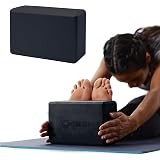
For those who find sitting cross-legged challenging, a common issue for many beginners, placing a pillow or bolster under your hips can make a significant difference. This simple modification elevates the hips, allowing the knees to drop more comfortably and the spine to naturally lengthen, preventing slouching. Once comfortable, the practice of focusing on your breath, or Pranayama, becomes paramount. Ancient yoga traditions emphasize breath work as preceding physical asana practice, highlighting its vital role in calming the nervous system and drawing your attention inward. Taking two to three deep, mindful breaths in Sukhasana can deepen your connection to your body and prepare your mind for the sequence ahead.
Detoxifying and Digesting with Parivrtta Sukhasana (Seated Twist)
Following the grounding start, the seated twist, or Parivrtta Sukhasana, offers a refreshing internal massage. This twisting asana is often likened to a gentle detox for the body, systematically compressing and then releasing internal organs. This action can help stimulate the digestive system, promoting better circulation and aiding in the elimination of toxins that accumulate within the body. While the term “detox” can sometimes sound intimidating, in this context, it simply refers to supporting the body’s natural cleansing processes through mindful movement.
To execute this pose effectively, place your left hand on the outside of your right knee and your right hand behind your right hip. As you inhale, focus on lengthening your spine, and as you exhale, gently twist from your belly, gazing over your right shoulder. It’s crucial to maintain a straight spine; if you find yourself slouching, placing a book under your back hand can provide the necessary support to keep your posture upright. Repeating this on both sides ensures balance and encourages the “detox fire” to gently activate throughout your core. Remember to keep your belly drawn in and shoulders relaxed, breathing steadily to enhance the digestive and detoxifying benefits of this pose.
Opening Hips and Relaxing the Lower Back with Badhakonasana (Butterfly Pose)
Many individuals spend extended periods sitting, which often leads to tight hips and discomfort in the lower back. Badhakonasana, or Butterfly Pose, specifically addresses these common pain points, offering a wonderful hip opener and a soothing release for the lower back. This pose gently stretches the inner thighs and groins, areas that can become chronically tight from a sedentary lifestyle.
To transition into Butterfly Pose, simply uncross your legs from Sukhasana and bring the soles of your feet together, allowing your knees to fall open to the sides. If you experience pressure on your outer hips or your knees are far from the floor, don’t worry—these are common experiences for beginners. Placing a pillow or bolster under your hips, or even under your knees, can provide cushioning and support, making the pose more accessible and comfortable. You can gently hold your feet or, as shown in the video, gently flap your knees up and down for five to six repetitions, mimicking a butterfly’s wings. This dynamic movement enhances the stretch and improves circulation in the hip area, all while maintaining an upright spine, relaxed neck, and steady breath.
Cultivating Spinal Suppleness and Breath-Movement Connection with Cat and Cow Posture
The Cat and Cow posture (Marjaryasana-Bitilasana) is a cornerstone of any yoga practice, renowned for its profound benefits for spinal health. This flowing sequence works wonders in relieving tightness along the spine, promoting flexibility, and helping to maintain its natural suppleness. Beyond physical flexibility, this asana serves as an excellent way to synchronize movement with breath, teaching your body a fundamental principle of yoga.
Start on your hands and knees, ensuring your wrists are directly beneath your shoulders and your knees are under your hips, with your feet flat on the ground. Maintain a neutral neck, gazing at the floor. As you inhale, drop your belly towards the floor, lift your tailbone towards the ceiling, and gently push your chest up, looking straight ahead or slightly upwards if comfortable (Cow Pose). Conversely, as you exhale, press your hands firmly into the floor, rounding your upper back and spine, tucking your chin towards your chest, and looking towards the floor (Cat Pose). The key is to move fluidly with your breath, not pushing too much, but allowing your body to guide the movement. Repeating this sequence five to six times, inhaling through the nose during Cow and exhaling through the nose during Cat, can significantly enhance spinal mobility and body-breath awareness. This continuous flow helps to lubricate the vertebrae and improve overall posture.
Grounding and Strengthening with Tadasana (Mountain Pose)
While standing might seem intuitive, Tadasana, or Mountain Pose, teaches us how to stand with intention and engagement, activating every muscle in our body. This seemingly simple standing posture is the foundation for all other standing asanas and offers surprising benefits, including aiding in relieving constipation. It challenges us to connect deeply with the earth and align our bodies from the ground up.
To properly execute Tadasana, stand with your feet slightly apart, then lift and spread your toes before firmly rooting them back down, ensuring all four corners of your feet are pressing into the floor. Avoid leaning too far forward or backward; find your center. Engage your quads, squeeze your hips, lift your chest proudly, and allow your arms to rest naturally by your sides. This active engagement creates a sense of stability and strength throughout your entire body. To further challenge your balance, lift your heels and gently rise onto the balls of your feet, holding your gaze (drishti) on a non-moving point in front of you. If you wobble, it’s perfectly normal—simply come back down and try again. For an advanced variation, combine the heel lift with raising your arms overhead, stretching towards the sky as if being gently pulled upwards. Hold this elevated position for five to six breaths, feeling the lift and lengthening through your legs, spine, and arms before gently lowering back down. This practice strengthens the ankles, calves, and core, while also improving overall stability.
Relieving Digestive Issues and Back Pain with Trikonasana (Triangle Pose)
Trikonasana, or Triangle Pose, is a powerful standing asana that can be particularly beneficial for those experiencing digestive issues and back pain. Regular practice of this pose is often cited as a way to potentially lead a life free of persistent back discomfort, thanks to its ability to stretch the spine and strengthen the core and obliques. The lateral bend also stimulates abdominal organs, which can aid digestion.
Begin by standing with your legs more than hip-width apart. Turn your right foot out to the right, and angle your left foot slightly inward. The key here is to keep your hips squared forward, resisting the urge for your body to twist with your right foot. Raise your arms to shoulder level, ensuring they form a straight line. As you begin to move to the right from your waist, imagine reaching forward before tilting down, keeping your chest open and shoulders rolled back, preventing your body from leaning forward. Beginners can rest their right hand on their shin, gradually moving down towards the foot as comfort and flexibility increase. Gaze forward or upwards, maintaining equal weight distribution through both feet and lifting your chest to avoid collapsing. After holding for a few breaths, inhale to come back up and repeat on the left side, focusing on the expansive stretch and the gentle internal massage. This pose not only lengthens the hamstrings and groins but also strengthens the core, which is vital for alleviating and preventing back pain.
Building Strength, Balance, and Focus with Vrikshasana (Tree Pose)
The final foundational asana in our sequence is Vrikshasana, or Tree Pose—a quintessential balancing posture. Balancing asanas like Tree Pose are exceptional for enhancing the functions of the cerebellum, the part of the brain responsible for coordinating voluntary movements and maintaining balance. Beyond neurological benefits, Tree Pose is an incredible full-body toner, building strength in the legs from the hips to the feet and engaging the abdominal muscles for core stability. It cultivates both physical equilibrium and mental focus, making it a powerful pose for overall well-being.
Start in Tadasana, feeling grounded with your feet gripping the floor, chest lifted, and arms at your sides. Turn your right knee outwards, keeping your hips and chest facing forward. For beginners, place the sole of your right foot on your left shin, avoiding the knee joint directly. Fix your gaze on a non-moving point (drishti) to aid balance. As you gain stability, you can gradually move your right foot above the knee or even up to the inner thigh, close to the groin. Your hands can rest in a prayer position at your chest, or for an added challenge, raise them overhead, joining them in prayer. Lift through your spine and arms, holding the pose for three to four breaths. It’s completely normal to wobble or even fall out of the pose; the practice is in the attempt and the re-centering. Slowly release and repeat on the other side, turning the left knee out and placing the left foot on the right shin, thigh, or groin. Tree Pose encourages concentration and strengthens the supporting muscles of your legs and core, promoting a stable and grounded feeling both on and off the mat.
Once you’ve completed this empowering sequence of yoga poses, take a moment to integrate the practice. You can return to Sukhasana, gently closing your eyes and observing your breath for a few moments, or lie down in Shavasana (Corpse Pose), allowing your arms and legs to loosen completely. Pay attention to any remaining tightness and consciously invite relaxation into those areas, bringing your attention to your breath for a couple of minutes. Remember, the essence of a consistent beginner yoga practice lies not in achieving perfection, but in the dedication to the practice itself. Take your time, move with ease, breathe deeply throughout, and most importantly, enjoy every moment of your journey to better health.
Posing Your Yoga Questions: Your Path to Health and Home Practice Clarified
What are “yoga asanas”?
Yoga asanas are the physical postures or poses practiced in yoga. This article introduces seven basic asanas suitable for beginners.
What can I gain from practicing these beginner yoga poses?
Practicing these poses can improve your flexibility, strength, and balance. They can also help relieve aches and enhance your overall sense of calm and well-being.
Do I need any special tools or equipment to start yoga at home?
You don’t need special equipment to start. For comfort, the article suggests using a pillow or bolster under your hips in some sitting poses.
What is the very first pose a beginner learns in this sequence?
The sequence begins with Sukhasana, also known as Easy Pose. This foundational sitting posture helps you find stillness and connect with your breath.
Can these yoga poses help with common problems like back pain or digestion?
Yes, the article highlights how poses like Seated Twist and Triangle Pose can support the body’s natural cleansing processes, aid digestion, and help relieve back discomfort.