
In today’s fast-paced world, an estimated 77% of people regularly experience physical symptoms caused by stress. This prevalent issue often manifests as tightness and discomfort, particularly within the lower body. The accompanying video offers a serene Yin yoga class, filmed on the beautiful Mantanani Island off Borneo in Malaysia, specifically designed to address this stored negative energy and physical tension.
This 30-minute Yin yoga practice is focused on providing profound stress release and fostering a sense of amazing well-being. It is widely recognized that the glutes, hamstrings, and even the psoas muscle can become holding grounds for emotional and physical negativity. Through this specialized Yin yoga sequence, you are invited to delve into these areas, releasing what no longer serves you and inviting positive, peaceful energy.
Understanding the Gentle Power of Yin Yoga
Yin yoga is a slow-paced style of yoga that involves holding postures for longer periods, typically from one to five minutes. This approach allows for a deep stretch into the connective tissues of the body, such as ligaments, joints, bones, and fascia, rather than primarily targeting the muscles. It is often considered a complementary practice to more active, “Yang” yoga styles or other vigorous forms of exercise.
The beauty of a Yin yoga class lies in its meditative quality, which encourages introspection and mindfulness. While the physical benefits of increased flexibility and joint mobility are significant, the mental and emotional release experienced during these extended holds is equally transformative. Furthermore, it is a practice that can be adapted to various body types and flexibility levels, making it accessible to many.
Why the Lower Body Stores Stress
The concept that emotional stress can be stored in the body is increasingly accepted within various wellness disciplines. Specifically, areas such as the glutes, hamstrings, and the often-overlooked psoas muscle are frequently implicated. The psoas muscle, a deep hip flexor, is particularly relevant as it is intricately linked to our “fight or flight” response.
When stress is encountered, the body’s natural reaction is to contract and protect itself, with the psoas often shortening in response. Over time, chronic stress can lead to persistent tightness in these lower body areas. This continuous tension can contribute to lower back pain, hip immobility, and a general feeling of being “stuck” or heavy. Addressing these areas through dedicated practices like Yin yoga can therefore be highly beneficial.
Essential Yin Yoga Postures for Releasing Tension
The practice introduced in the video carefully guides you through a series of yoga postures, each chosen for its ability to target the deep connective tissues and encourage the release of negative energy. Consistent focus is placed on the lower body, including the glutes and hamstrings, as well as the hips.
Child’s Pose (Balasana)
This foundational resting pose is often utilized at the beginning or end of a Yin yoga session, and as a transition point. It provides a gentle stretch for the hips, thighs, and ankles while calming the brain and helping to relieve stress and fatigue. In this position, the forehead is typically brought to the mat, signaling surrender and an invitation to turn inward.
The gentle compression in the abdomen can also aid in digestion and stimulate internal organs. It is a posture that is meant to feel comforting and secure, creating a safe space for mental preparation. The instructor encourages you to feel a gentle stretch through the upper back and shoulders, promoting an overall sense of release.
Downward-Facing Dog (Adho Mukha Svanasana)
While often seen in more dynamic Vinyasa flows, Downward-Facing Dog is adapted in Yin yoga for warming up and creating initial length in the hamstrings and spine. Here, a “gentle one” is suggested, with options to bend the knees or “walk out” the dog to personalize the stretch. This modification allows the posture to be held with less muscular engagement, thus allowing the connective tissues in the legs to be gently prepared for deeper stretches.
The emphasis is on feeling the stretch through the hamstrings, opening the chest, and letting the sternum fall towards the mat. This helps to create space in the upper back and shoulders, alleviating tension that can accumulate from daily activities. The subtle opening in the shoulder blades contributes to a more relaxed upper body.
Low Lunge (Anjaneyasana) with Psoas Stretch
The Low Lunge is a powerful hip opener that specifically targets the hip flexors, including the psoas muscle. By dropping the back knee to the mat and allowing the hips to fall forward, a significant stretch is created in the front of the hip. Engaging the core in this posture also supports balance and stability.
A unique variation introduced involves taking the front arm behind the back and reaching the opposite fingertips further to the side, deepening the stretch into the psoas. This targeted approach is crucial for releasing deeply held tension in an area often neglected. This muscle’s release can have profound effects on overall comfort and mobility, especially for those who sit for long periods.
Half Split (Ardha Hanumanasana)
This posture is one of the primary Yin holds in the video, maintained for a full two minutes on each side. The Half Split specifically targets the hamstrings and calves. During this extended hold, the front foot is flexed, which intensifies the stretch along the back of the leg, reaching into the calf muscles.
The instruction to pull the front hip back and push the back hip forward helps to keep the hips square, maximizing the stretch’s effectiveness. Props like blocks, pillows, or books are suggested to support the hands, making the posture more accessible and sustainable for the two-minute duration. This allows the body to gradually surrender into the stretch without strain.
Stacked Knees Forward Fold (Gomukhasana variation)
Another profound hamstring and lower back stretch is achieved through the stacked knees forward fold. In this pose, one leg is swung around to cross over the other, aiming to stack the knees as much as possible. Folding forward from the hips, with the forehead moving towards the knee, allows for a deep release. Hands are placed underneath the bent knee to prevent hyperextension, ensuring safety during the stretch.
This posture is designed to release tension not only in the hamstrings but also along the entire posterior chain, reaching from the heel up to the sacrum and lower back. The extended hold, similar to the Half Split, enables the fascia and connective tissues to gradually lengthen, promoting greater flexibility and relieving chronic tightness. It is a favorite for its comprehensive lower body benefits.
The Integral Role of Breath and Presence
Throughout the Yin yoga practice, the importance of conscious breathing and mental presence is repeatedly emphasized. During each two-minute hold, practitioners are encouraged to inhale deeply through the nose and gently exhale through the mouth. This focused breathwork is a powerful tool for releasing tension.
The visualization of exhaling negative energy (stress, worry, past situations) and inhaling positive, peaceful vibrations is central to the practice. This mental engagement transforms the physical postures into a holistic experience, allowing for emotional processing and deep relaxation. It cultivates the understanding that the present moment is all that truly exists, encouraging a surrender to the immediate experience.
Enhancing Your Practice with Supportive Props
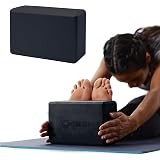
One of the key benefits of Yin yoga is its adaptability through the use of props. For the Half Split posture, the instructor explicitly recommends using blocks, pillows, or even books to support the hands. This practical advice ensures that the stretch can be maintained comfortably, allowing the body to relax into the pose rather than tense up from overexertion.
Props are not seen as a crutch but as valuable tools that enable a deeper and more effective practice. They help to meet the body where it is, providing the necessary support to release resistance and fully embrace the extended hold. This fosters a sense of ease and encourages prolonged engagement with the stretch, maximizing its benefits.
Integrating Yin Yoga for Lasting Calm
Regular engagement with a Yin yoga practice, such as the session provided, can lead to significant improvements in both physical and emotional well-being. The sustained stretches help to improve flexibility, especially in areas prone to stiffness like the hips and hamstrings. This enhanced mobility can reduce discomfort in daily life and improve performance in other physical activities.
Moreover, the emphasis on mindfulness and conscious breath in Yin yoga cultivates a greater awareness of the mind-body connection. This practice teaches one to observe thoughts and sensations without judgment, fostering resilience against stress and promoting emotional balance. Over time, the ability to release negative energy and embrace positive, peaceful energy becomes more natural, extending beyond the mat into everyday experiences.
Borneo Bliss & Yin Insights: Your Questions Answered
What is Yin yoga?
Yin yoga is a slow-paced style of yoga that involves holding postures for longer periods, typically from one to five minutes. It focuses on stretching deep into your body’s connective tissues like ligaments and joints, rather than just muscles.
What are the main benefits of practicing Yin yoga?
The main benefits include profound stress release, increased flexibility and joint mobility, and fostering a sense of calm and mindfulness. It helps release tension, especially in areas prone to stiffness like the hips and hamstrings.
How long is a typical Yin yoga session?
While individual postures are held for one to five minutes, the article describes a complete Yin yoga class designed for stress release that lasts 30 minutes.
Why does Yin yoga often focus on areas like the glutes and hamstrings?
Many wellness disciplines believe emotional and physical stress can be stored in the body, particularly in the glutes, hamstrings, and the psoas muscle. Yin yoga targets these areas to help release that stored tension and negativity.
Do I need special equipment to do Yin yoga?
No special equipment is required, but using props like blocks, pillows, or even books to support your hands or body can make postures more comfortable and allow for a deeper, more effective stretch.